Perspective is the Core of Art
AbstractOver the past century, cameras have made the technical work of creating images increasingly accessible. AI is now bringing a similar shift to art, research, and engineering. But as Ansel Adams understood, what makes something meaningful is still the perspective behind it: what we choose to notice, the questions we pursue, and how we shape what we create.
KeywordsPerspective, Artificial Intelligence, Photography
5 sections · 1071 words
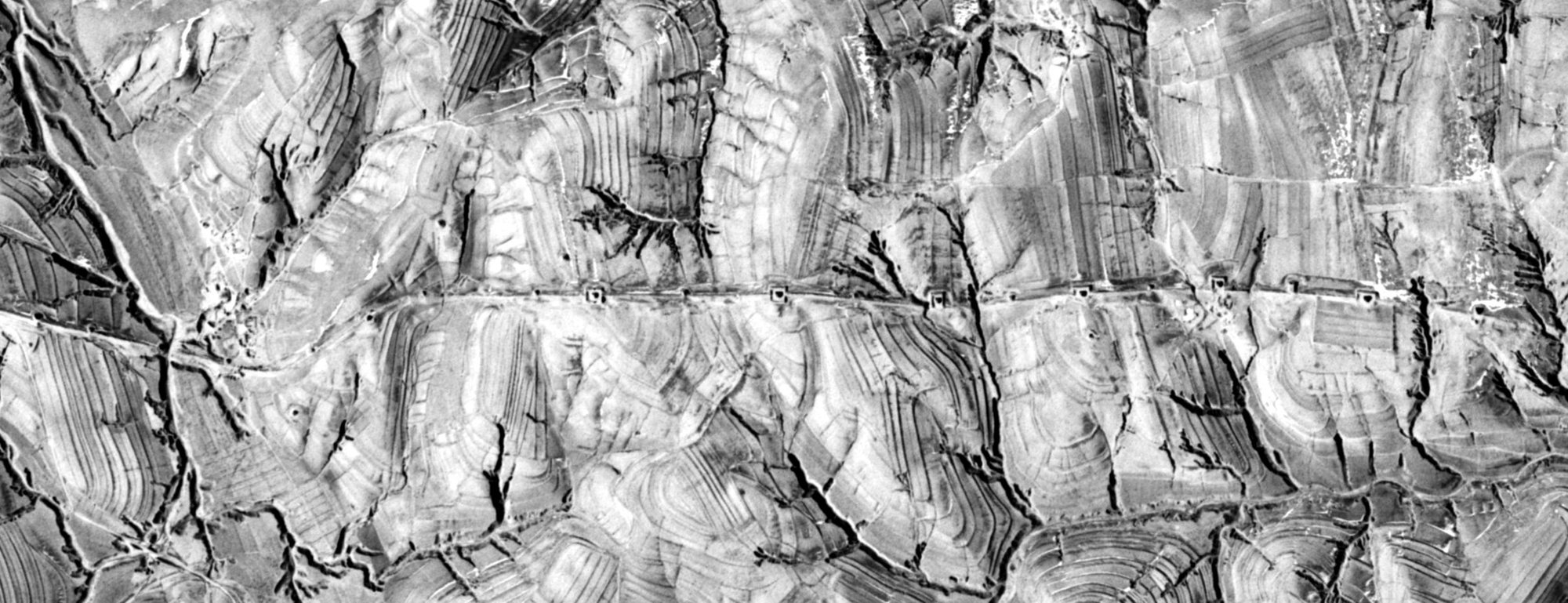 The Great Wall, seen from orbit in March 1970.
How much of the Great Wall that satellites photographed in 1970 is still there today? I came to that question through adventure photography, which drew me to the wall’s earthen stretches.
With Claude Fable 5.2, I compared 896 pairs of historical and recent satellite images. The model helped me trace the wall and distinguish visible damage from places where the imagery was too unclear to tell. Across the roughly 264 km I could assess, I found about 11 km of Ming wall that had been built over or cut through.
One stretch near Yanchi, in Ningxia, stayed with me. I could trace it for 1.6 km on the 1970 film. It’s missing from the current map. I included it in my report, The Vanishing Wall, as a place to check on the ground.
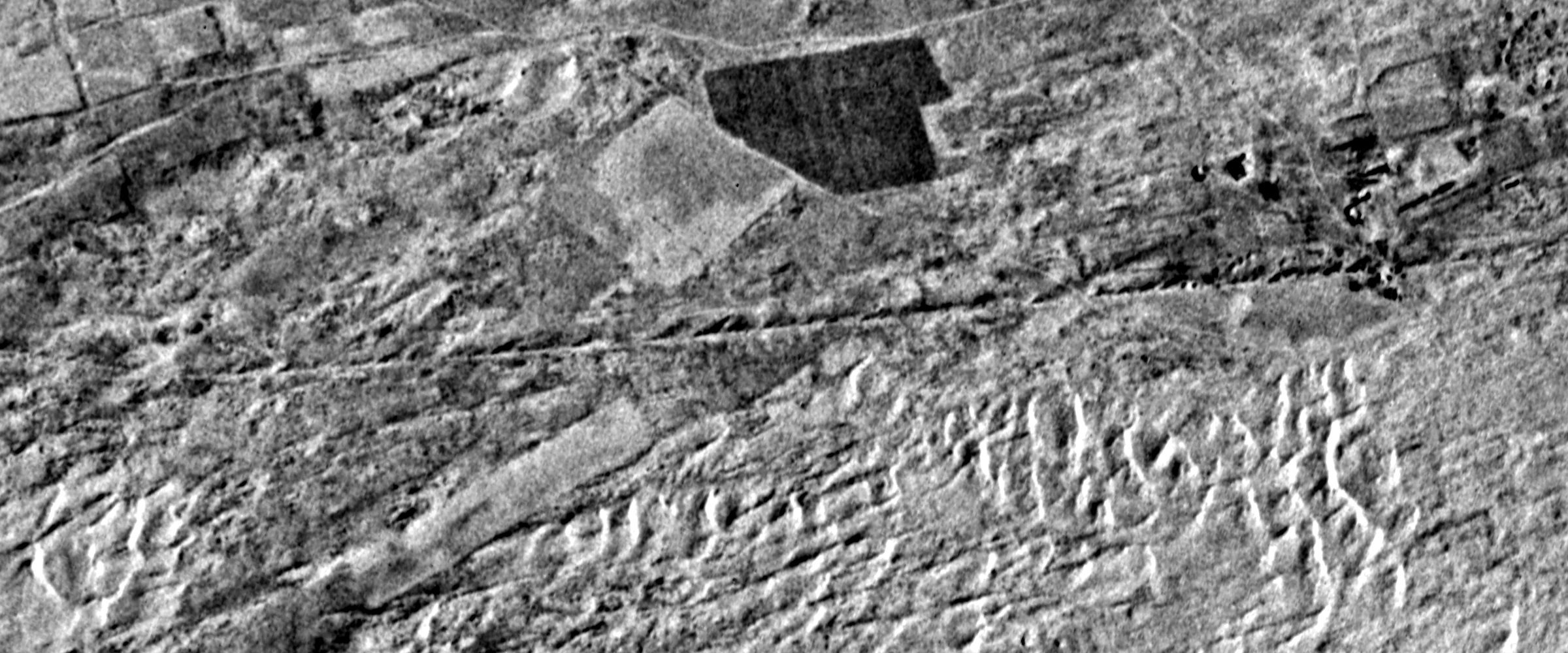
On today’s map: the wall is drawn here.
A few years ago, I would have needed help with the geospatial analysis much earlier. This time I got far enough on my own to know exactly where I’d want to go next. That feeling was familiar from photography. As cameras have taken on more of the technical work, it has become easier to turn an idea into an image.
You Press the Button
In 1888, Kodak sold a camera loaded for 100 exposures. Once you’d taken the last picture, you mailed the whole camera back for developing and printing. Kodak’s promise was “You press the button, we do the rest.”
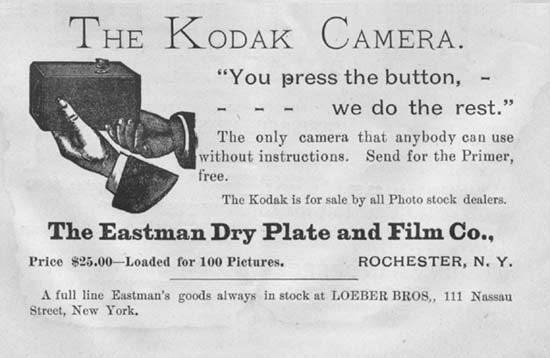 A Kodak advertisement, November 1889.
By 1979, Canon’s AF35M could focus and set the exposure on its own. Digital cameras changed something I especially appreciate as a photographer. You could look at the frame you’d just made, see what you’d missed, and try again while the light was still there. By 2021, Sony’s Alpha 1 could track a moving subject’s eye while making up to 120 autofocus and exposure calculations per second.
I see a similar shift in tools for artists and engineers. Krea’s agent can take a creative brief through research, image and video generation, and editing. In Spectral’s Quartz, agents can build a gear reducer, add a motor adapter, and check the assembly for clashes. More of what you imagine becomes something you can actually make.
Even with a capable auto mode, photographers still reach for manual control when they have a particular image in mind. I’m happy to let the camera find focus. Shutter speed is a different matter when I want movement to show in the frame. I might only want control over one setting, but that setting can be the whole reason for taking the picture.
The Second Plate
Ansel Adams is best known for his black-and-white landscapes of the American West. What I admire is how his technical precision serves something deeply personal: his way of seeing the world.
In April 1927, he climbed to the Diving Board, a granite ledge facing Half Dome in Yosemite. He was shooting on light-sensitive glass plates instead of film, each one capable of capturing a single image. He had only two left.
He exposed the first through a yellow filter, then reconsidered. “I began to visualize the black rock and deep sky,” he later said. “I really wanted to give it a monumental, dark quality.” For the second plate, he chose a deep red filter to darken the sky further. The result was Monolith, the Face of Half Dome, with its almost black sky and luminous rock face.
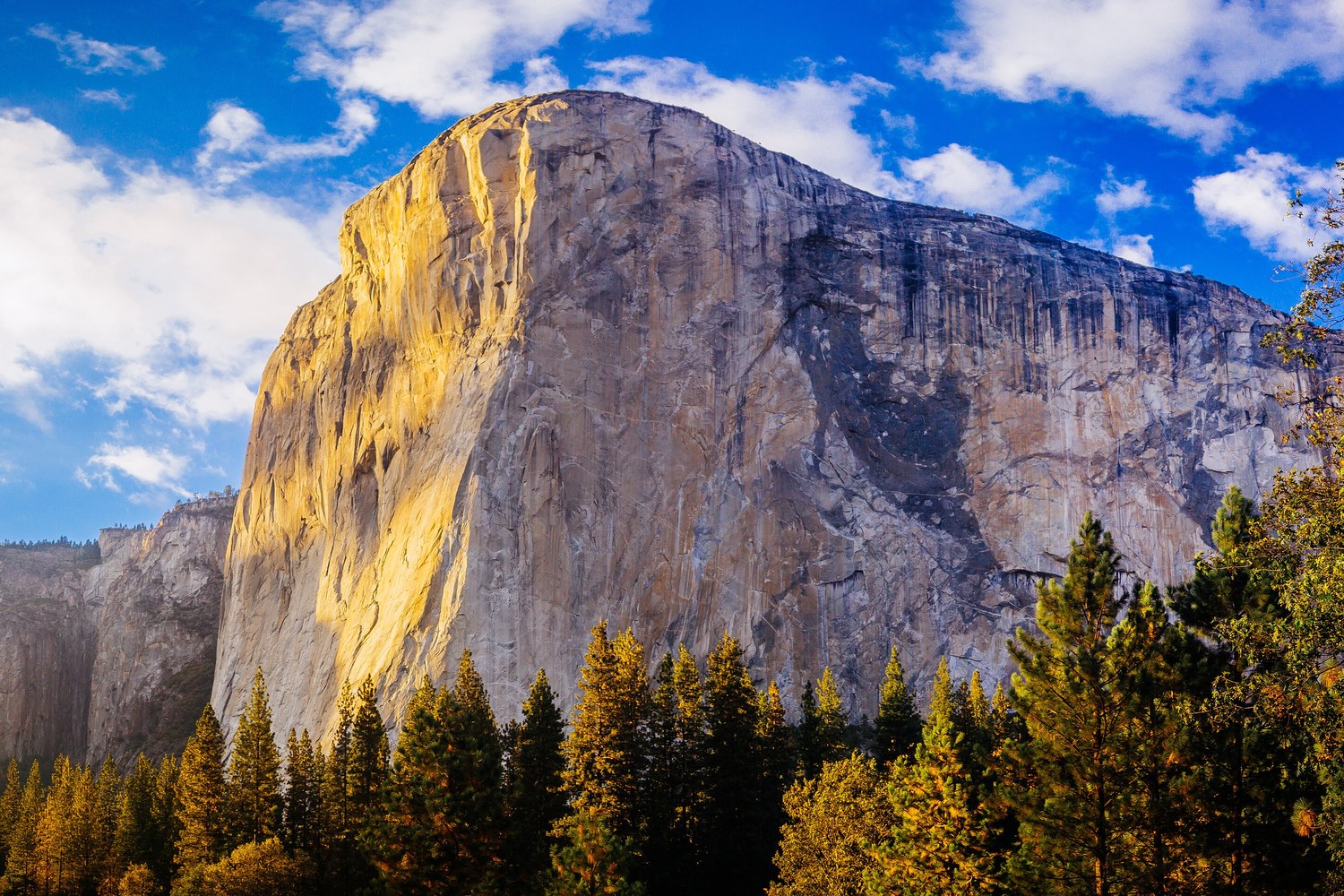
Yellow filter. The sky prints a middle grey.
Adams later called this approach visualization: imagining the finished print before making the exposure. He chose the filter because he knew what he wanted the photograph to convey.
What You Choose to See
To me, perspective is where art begins. It shapes what we notice, the questions we ask, and what we find worth exploring.
My colleague Tammie has written about taste becoming more valuable as execution gets cheaper. I think perspective is what makes taste personal. What I like about Adams’s story is that you can see what taste looks like in practice. He knew how he wanted the granite to feel in the finished print, and he understood his materials well enough to choose the red filter while he was still on the ledge.
Perspective matters when building products. More automation doesn’t always mean more freedom. Sometimes preserving a point of control matters more than removing a step. An artist working in ArtCraft composes the scene before the model renders it. As the company puts it, “Text prompting is neat, but artists crave control.” At Spectral Labs, an engineer can inspect the gear reducer the agents built, keep or reject each change, and go on editing the design in the tools their team already uses.
I love that more people can now follow their own questions, explore things they care about, and make something that reflects how they see the world.
I started the wall project wondering how much of it was still there. After 896 pairs of images, I have a much more specific question about 1.6 km of earth near Yanchi. I’d like to take a camera there and see for myself.
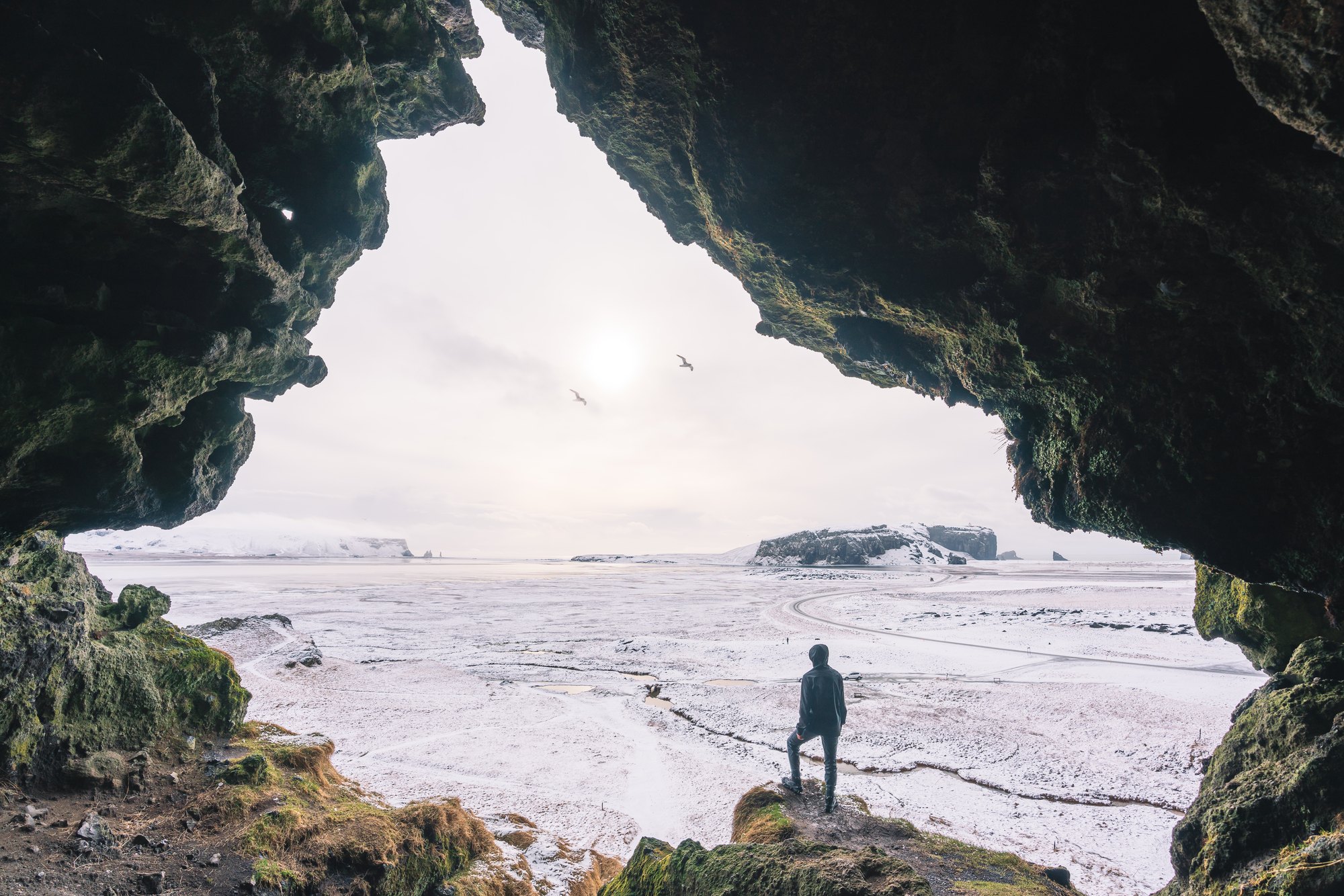 One of my photographs, March 2019.
Krea, ArtCraft and Spectral Labs are Pebblebed portfolio companies.
Sources
- Satellite film. CORONA KH-4B, missions 1109 (19 March 1970) and 1112 (2 December 1970). Credit: Center for Advanced Spatial Technologies, University of Arkansas/U.S. Geological Survey, from the CORONA Atlas, CC BY-SA 4.0. The frames here are cropped and contrast-adjusted, and shared under the same licence.
- Mapped wall. © OpenStreetMap contributors.
- Kodak. Kodak company history; the original Kodak camera at the Smithsonian; the November 1889 advertisement is in the public domain, via Wikimedia Commons.
- Cameras. Canon Camera Museum, AF35M; Sony’s Alpha 1 announcement, 26 January 2021.
- Ansel Adams. His words are quoted from The Ansel Adams Gallery’s timeline; see also the Gallery on Monolith, the Face of Half Dome.
- El Capitan photograph in the filter simulation. Luke Pamer, released into the public domain (CC0), via Wikimedia Commons.
- Closing photograph. Kevin Liu.
- Tools. What is Krea Agent; ArtCraft Studio; Spectral Labs, Quartz: CAD Software Built for Machine Intelligence.
- Taste and trust. Tammie Siew, Software is dead. Long live software.